


“If children can choose their own activities, does that mean there are no rules?”
This is a very understandable concern. Many families are familiar with traditional classroom models where the teacher directs every activity, and children follow the same schedule at the same time.
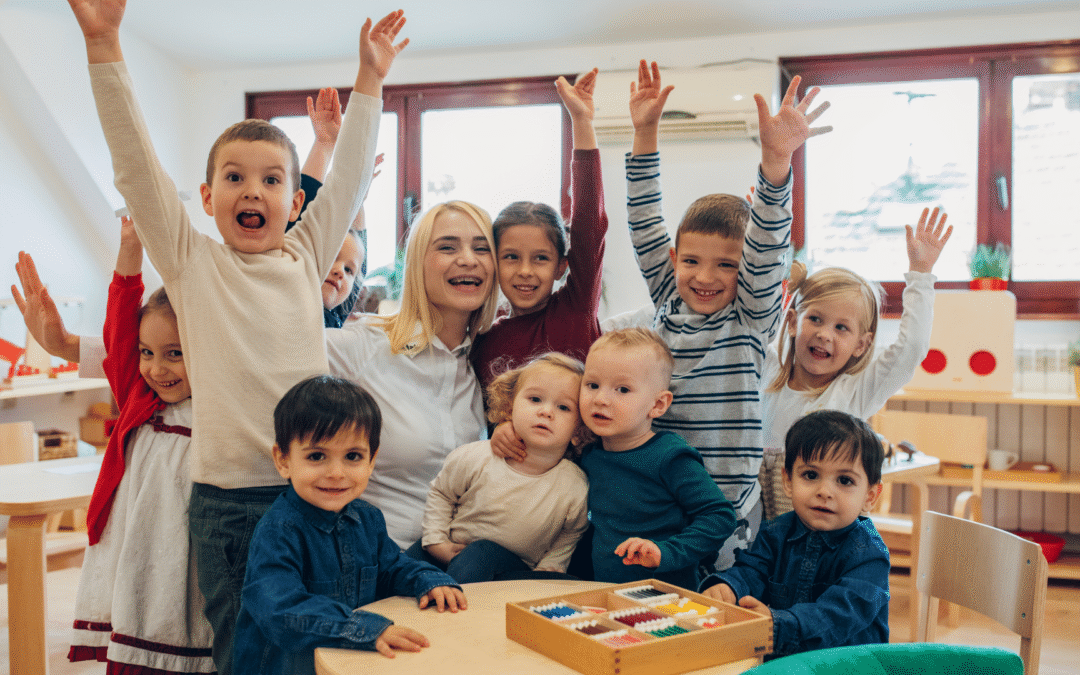
A Montessori preschool looks different because it is built around child-centered learning. However, child-centered does not mean child-controlled. A Montessori classroom is not a place where children simply do whatever they want. It is a carefully prepared environment where children experience independence while learning responsibility. This balance is called freedom within limits.
It is one of the most important principles behind Montessori education and one of the reasons Montessori continues to be recognized as one of the best preschool programs for developing confident, capable, and independent learners.
What Does Freedom Within Limits Mean?
Freedom within limits means children are given meaningful choices inside a safe and structured environment.
Dr. Maria Montessori understood that young children have a natural desire for independence. They want to make decisions, explore their interests, and accomplish tasks on their own.
At the same time, young children need guidance. They need clear expectations and boundaries that help them understand how to function within a community.
Montessori combines both. Children are free to explore, but they are also learning respect, responsibility, and self-control.
The Freedom: Choice, Movement and Independence
In a Montessori preschool classroom, children have opportunities to make decisions about their learning.
- The Freedom: Choosing where to work
Children may choose whether they would like to work at a table, on a floor rug, or in another appropriate workplace.
The Limit: Respecting the Classroom Environment
Children learn that their choices must consider others. They choose spaces that allow everyone to work comfortably and respectfully.
- The Freedom: Choosing their activity
Children can select from materials they have been introduced to and follow their own interests.
The Limit: Using materials purposefully
Children use materials for their intended purpose, and classroom materials are treated with care.
- The Freedom: Working at their own pace
Children can repeat an activity as many times as they need. They may spend additional time practicing a skill until they feel confident.
The Limit: Completing the work cycle
Children learn to finish their activity, return materials properly, and prepare the space for the next person.
This balance allows children to experience independence while understanding that their choices impact their community.
Where do limits sit?
The “limits” in a Montessori classroom are not based on strict control or constant correction. Instead, they come from clear, consistent expectations.
Children learn important classroom guidelines such as choosing any work they have received a lesson on, respecting another child’s workspace and concentration, using materials carefully and returning activities completely organized for the next child.
These expectations create a peaceful learning environment where children understand what is expected of them. The goal is to develop responsibility.
Building Community Through Natural Guidelines
One of the most powerful parts of a Montessori classroom is the sense of community that develops when children understand their role within the group. Montessori educators guide children toward understanding natural consequences. For example, if a child spills water during an activity, they learn to clean it.
Through these daily experiences, children develop empathy, problem-solving skills, and social awareness. That is the foundation of meaningful child-centered learning.
Preparing Children for Real-World Responsibility
Freedom within limits prepares children for much more than preschool success. It helps children develop independence, self-regulation, confidence, resilience, and respect for others.
In life, true freedom always comes with responsibility. Montessori classrooms introduce children to this concept in a developmentally appropriate way. They learn that they can make choices, solve problems, and contribute positively to their environment.
A Montessori preschool creates the right structure so children can grow. If you are searching for the best preschool program that supports independence, confidence, and lifelong learning, we invite you to schedule a tour and experience the Montessori environment firsthand. Seeing children engage in freedom within limits is the best way to understand the power of this approach.
